
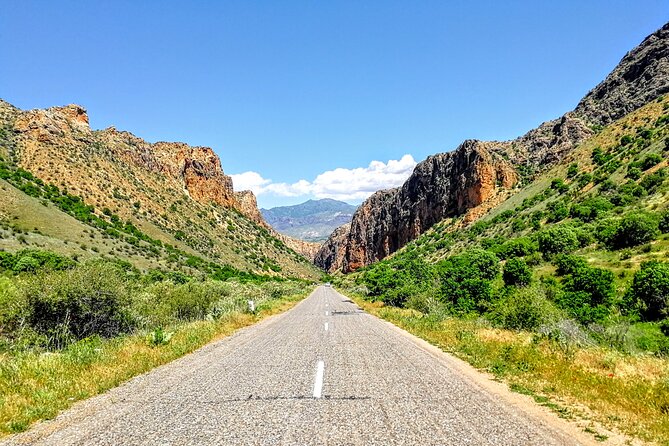
Reviewed · PHOTOGRAPHY SESSIONS
Urbex photo tour in Armenia
Armenia rewards curious photographers. This seven-day route pairs secret urbex photo sites with monasteries, a pagan temple, Soviet-era places, and grand mountain scenery. I especially like the mix of serious photography and major Armenian sights, plus the fact that meals and lodging are included. The main drawback is the price, $2,301.32 per person, and the long drives between sites.
You’ll travel in a group of no more than 10, with airport pickup, an air-conditioned vehicle, six breakfasts, six lunches, and six dinners included. The exact abandoned locations are kept private, which helps protect them, but it also means you cannot judge every photo stop in advance. Guide Nvard is praised for her English, patience, humor, and strong grasp of Armenian history.
In This Review
- Key points at a glance
- Why this tour is different from a standard Armenia circuit
- Day 1: A gentle arrival in Yerevan
- Day 2: Ararat, Noravank, and an abandoned factory
- Day 3: The old Silk Road and Lake Sevan
- Day 4: Sanahin and the Mikoyan brothers
- Day 5: Vanadzor’s Soviet-era remains
- Day 6: Amberd, Tegher, and high-country views
- Day 7: Garni, Geghard, and the Symphony of the Stones
- What the $2,301.32 price covers
- Meals, transport, and practical limits
- Who should book this Armenia photo trip?
- Should you book it?
- FAQ
- Where does the tour begin?
- How long does the experience last?
- What is included in the price?
- Is dinner included on the first evening?
- How many people can join the tour?
- Are the urbex locations published in advance?
- Does the tour include airport pickup?
- Can I request special meals?
Key points at a glance
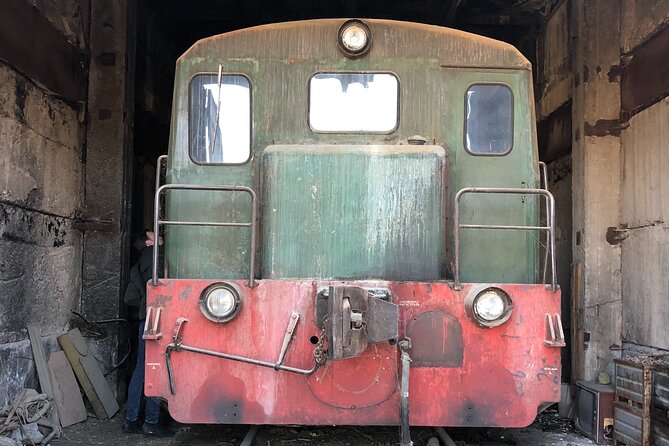
- Abandoned Armenia beyond the postcard: Photograph factories, hospitals, sanatoriums, and Soviet pioneer camps at undisclosed locations.
- Seven calendar days of variety: The route moves from Ararat views and medieval monasteries to Lake Sevan, Vanadzor, Garni, and Geghard.
- A small group matters: With a maximum of 10 people, you should have more room to work with a camera than on a large coach tour.
- Nvard leads the experience: She is noted for clear English, patience, warmth, humor, and useful explanations about the places you see.
- Most costs are bundled: A three-star hotel, meals, transport, and several entrance fees are covered, though the first evening’s dinner is extra.
- Plan for long road days: You will spend substantial time moving through Armenia’s mountains and provinces, with short visits at many historic sites.
Why this tour is different from a standard Armenia circuit
A normal first trip to Armenia might focus almost entirely on churches and scenic viewpoints. This route adds the country’s abandoned industrial and Soviet past, giving you a more unusual picture of modern Armenia.
The urbex element is not a token side activity. You visit an abandoned factory near Yeghegnadzor, another undisclosed site near Haghpat, and Soviet pioneer camp buildings around Vanadzor. The supplied trip details also refer to former sanatoriums and hospitals. Those places can offer peeling walls, empty corridors, old machinery, and strong geometric subjects, though the exact condition of each site will vary.
The locations are not published. That is normal in urban exploration, where publicity can bring vandalism, theft, or unwanted crowds. You should see this as part of the deal: you get access to carefully arranged sites, but not a fixed gallery of promised buildings.
The route also gives you the context that makes the photographs matter. A ruined Soviet camp means more when you have just learned about the Soviet youth system. An abandoned factory feels different after lunch in a working Armenian town and wine tasting in Vayots Dzor. You are not simply collecting spooky interiors. You are seeing how older layers of Armenian life sit beside the present.
More Photo Tours:
- Yerevan city tour with drinks in a classic car with photography
★ 5.0 · 41 reviews - Retro KGB Tour: A Volga 21 Adventure in Yerevan’s Soviet Past with photography
★ 5.0 · 29 reviews - Photo tour in Yerevan
★ 5.0 · 6 reviews
Day 1: A gentle arrival in Yerevan
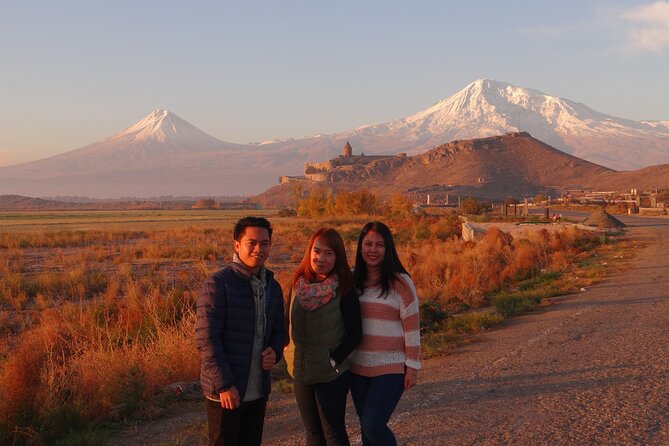
Your trip begins at Zvartnots International Airport at 9:00 a.m., with transfer to your hotel in Yerevan. The listed airport meeting point makes the first day simple, especially if you are arriving with camera gear.
The evening dinner is optional and is not included. That small exception matters because the tour otherwise covers six dinners. You will want to confirm the meeting arrangement and dinner cost before arrival, then use the first evening to settle in and prepare your camera equipment.
Because the next days involve road travel, this is also your chance to check batteries, memory cards, and personal essentials. No photography stop is listed for the arrival day.
Day 2: Ararat, Noravank, and an abandoned factory
The first full day opens with a drive of about one hour to Khor Virap. The monastery sits on the Ararat plain near the Turkish border, with one of Armenia’s most famous views: Mount Ararat rising in the distance. The mountain is strongly tied to Armenian identity, and the setting gives you an immediate sense of the country’s religious and national story.
Khor Virap is also connected with Saint Gregory the Illuminator, who was imprisoned in a pit here for 13 years before helping convert King Tiridates III to Christianity. The site visit is scheduled for about 45 minutes, enough to see the complex and take photographs, but not enough for a slow, open-ended exploration.
Noravank follows. This 13th-century monastery sits in a narrow gorge in Vayots Dzor, where red rock and carved stone create a strong contrast. The monastery’s decorative carvings are a good match for photographers who enjoy close architectural details as much as wide views. Again, the planned time is about 45 minutes.
After lunch in Yeghegnadzor, you continue to the day’s urbex site. The meal takes place in a gastro yard and includes wine tasting, adding a local food stop to a day otherwise filled with monuments and ruins. The abandoned factory then supplies a very different set of subjects.
You are given about three hours for this part of the day, which is valuable. Urbex photography usually needs time for careful framing, changing lenses, checking light, and waiting while other members of the group work. This is one of the tour’s strongest design choices.
Day 3: The old Silk Road and Lake Sevan
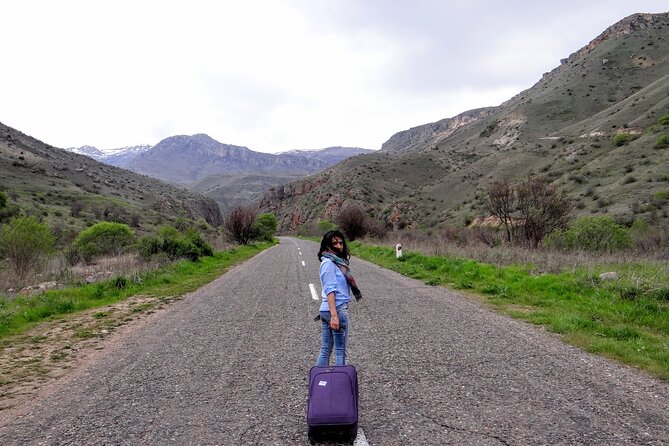
Day 3 begins at Vardenyats Pass, also called Selim Pass. The Orbelian Caravanserai was built in the 14th century by the Orbelian princes along the Silk Road. Its rectangular courtyard, small rooms, chapel, and well recall the practical side of medieval travel.
The visit lasts about 30 minutes. That is enough to appreciate the structure and photograph its stone forms, but you should not expect a long archaeological session.
The route then reaches Sevanavank on the shore of Lake Sevan. Built in the 9th century, the monastery includes two churches and khachkars, the carved Armenian cross-stones found throughout the country. Its position above the lake gives you a broad change of mood after the enclosed caravanserai.
Lake Sevan is one of Armenia’s defining natural sights, and Sevanavank is especially useful for combining architecture with open water and distant hills. The scheduled visit is 45 minutes, so you will need to work efficiently if you want both monastery details and wider views.
Before reaching Haghpat village and monastery, the day includes another urbex photography stop of about 45 minutes. This is a shorter session than the factory visit, but it breaks up the road day and adds another abandoned setting without taking the entire day away from Armenia’s historic sites.
Haghpat is a UNESCO-listed medieval monastery complex in northern Armenia. Its buildings date from the 10th to the 13th centuries and include the main church, bell tower, library, chapels, and carved stonework. Overnight lodging and dinner are arranged in the village, which should make the evening quieter than staying in a larger city.
A few more Yerevan trips worth weighing up
- Group Tour: Garni, Symphony of Stones, Geghard, Lavash Baking
★ 5.0 · 1,042 reviews - Group Tour: Lake Sevan (Sevanavank), Dilijan (Goshavank, Haghartsin)
★ 5.0 · 1,036 reviews - Group tour: Khor Virap, Noravank, Areni Winery and Cave
★ 5.0 · 651 reviews - Yerevan: Garni, Geghard, Symphony of Stones & Lavash Baking
★ 5.0 · 589 reviews
Day 4: Sanahin and the Mikoyan brothers
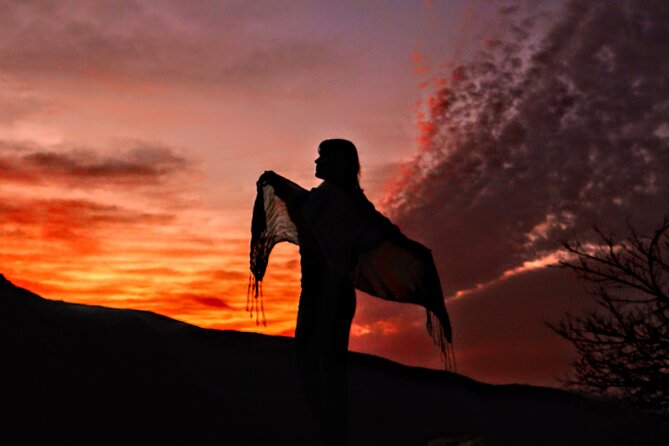
Sanahin Monastery is the principal historic stop on Day 4. Founded in the 10th century, it became a center of learning and culture. Local tuff stone gives the complex a unified look, while the churches, chapels, and gavit offer plenty of shadow, texture, and repeated architectural shapes.
The visit is scheduled for about 45 minutes. That is brief for a site with several buildings, so I would keep your camera setup ready and avoid spending the entire stop on one interior.
The day’s longer visit is the Mikoyan Brothers Museum, with four hours allocated. Located in Sanahin village, it explores the lives of Anastas Mikoyan, a major Soviet politician, and Artem Mikoyan, an aircraft designer and co-founder of the MiG design bureau. Exhibits include photographs, documents, and personal belongings.
This museum gives the urbex portion useful political and industrial context. The trip is not only about empty buildings. It also examines the Soviet period through people, aviation, government, and local memory. Four hours is a generous block, especially compared with the short monastery visits, so the museum may be particularly appealing if you enjoy 20th-century history.
Day 5: Vanadzor’s Soviet-era remains
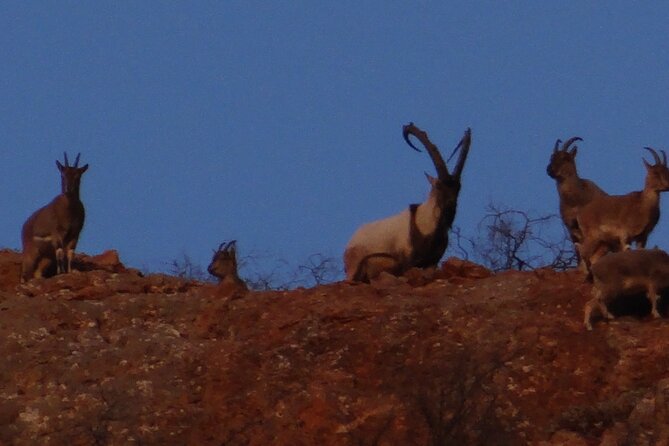
Vanadzor is Armenia’s third-largest city, in Lori Province beside the Pambak River and the Lesser Caucasus. The itinerary allows three hours in the city, followed by two hours at Soviet pioneer camp sites for photography.
The city is a logical base for an urbex-focused visit. Its industrial and Soviet heritage provides a different visual language from the monasteries: concrete, institutional buildings, aging public spaces, and traces of a former state system. The supplied details specifically identify Vanadzor as a destination for Soviet heritage and urban exploration.
The pioneer camps were created for children aged 9 to 15 and promoted physical activity, socialist values, and loyalty to the Soviet Union. Their remote settings and former recreational purpose can make for compelling photographs, but you should also pay attention to the human story. These were once places of organized childhood, not simply abandoned shells.
The two-hour photo session is longer than the previous 45-minute urbex stop. That gives you a better chance to work slowly and to photograph both broad structures and smaller remnants. Exact access conditions are not provided, so you should follow the guide’s instructions closely at each site.
Day 6: Amberd, Tegher, and high-country views
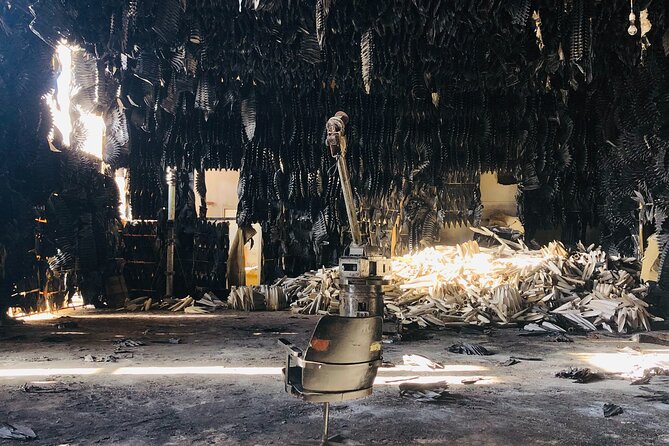
Amberd Fortress sits at about 2,300 meters in Aragatsotn Province. The medieval stronghold was built in the 7th century and expanded over later centuries. It served as a military position during invasions and includes an 11th-century church.
You have about 45 minutes here. The fortress and mountain setting should appeal to photographers who want strong exterior compositions, while the elevation gives the stop a different feel from the lowland monasteries.
Tegher Monastery follows, also in Aragatsotn. The 13th-century complex contains a church, chapel, and khachkars. It was once a center for education and culture, and its hilltop position adds another broad scenic viewpoint.
The two stops work well together: Amberd supplies military architecture and open mountain views, while Tegher offers a smaller religious complex with carved stone details. Both are relatively short visits, so this is another day when a compact camera setup will save time.
Day 7: Garni, Geghard, and the Symphony of the Stones
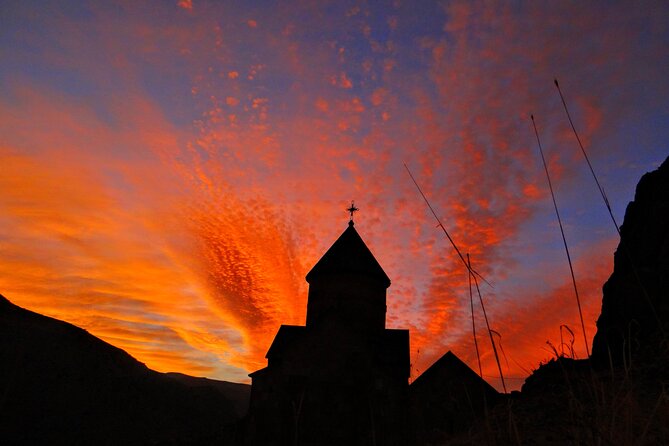
The final day returns you toward Yerevan with three memorable stops. Garni Temple is the best-known surviving pagan temple in Armenia and a symbol of the country before Christianity. It was later used as a royal summer residence, giving the site more than one historical chapter.
The visit lasts around 45 minutes. The temple’s classical form is unlike the medieval churches elsewhere on the route, so it gives your photo collection a welcome change of shape and period.
Next comes Geghard, a UNESCO-listed monastery complex partly cut into surrounding rock. Some churches are set in caves, while others are carved from the rock face. The site’s dark interiors and stone surfaces make it especially suitable for atmospheric photography, though you will have to work within the short 45-minute schedule.
The final stop is Garni Gorge and the Symphony of the Stones, a formation of basalt columns arranged like the pipes of a musical instrument. When struck, the columns can produce musical sounds. The visit lasts about 30 minutes and offers a natural finish to a trip that has otherwise focused heavily on human structures.
After Geghard, you are transferred back to Yerevan. The published program calls the tour approximately seven days, while the overview also describes it as six days. The detailed schedule runs from Day 1 through Day 7, and the meal plan lists six breakfasts, six lunches, and six dinners. I would clarify the exact number of hotel nights and the return timing before paying.
What the $2,301.32 price covers
At $2,301.32 per person, the tour is not a budget sightseeing trip. The daily equivalent is roughly $329 across seven calendar days, but that figure is meaningful only because the package includes many major costs.
You receive three-star accommodation, an air-conditioned vehicle, airport pickup, six breakfasts, six lunches, and six dinners. Several entrance fees are included as well. For a small group covering multiple Armenian provinces, those bundled services can make the price reasonable, particularly if you value having transport and meals arranged.
The price is easier to justify for photographers who would struggle to locate abandoned sites independently. The private urbex locations and the time set aside for photography are central to the experience. You are also getting a first visit to Armenia that includes its best-known religious sites, not just industrial ruins.
Still, you should compare the cost with your own priorities. If you mainly want monasteries and scenery, a standard Armenia tour may cost less. If you mainly want urbex, ask how many abandoned sites are planned, how much time is available at each, and what kind of buildings you can expect. Since locations are kept secret, the guide’s explanation is important.
Group discounts may be available, and the maximum group size is 10. The smaller group should make loading equipment, moving between rooms, and photographing without constant crowding easier.
Meals, transport, and practical limits
The all-inclusive format removes much of the daily guesswork. You do not need to find lunch during long drives, and village dinners and the Yeghegnadzor wine tasting add local character to the route.
The first evening’s dinner is the exception. It is optional and paid separately, so plan for that expense.
The air-conditioned vehicle is important because this itinerary covers Yerevan, Vayots Dzor, Lake Sevan, Lori, Vanadzor, Aragatsotn, and the Garni area. The route is geographically broad, and several days include long drives with short sightseeing stops. You should enjoy looking out at Armenia’s mountain scenery, not just photographing buildings.
Dietary requirements should be given at booking. Service animals are allowed, and the activity information says most people can participate. The program does not provide detailed accessibility information for abandoned buildings, monasteries, or fortress terrain, so ask about specific mobility needs before booking.
The experience is non-refundable and cannot be changed after purchase. Also note that a minimum number of participants is required. If the operator cancels because that minimum is not reached, you are offered another date or experience, or a full refund. That is a significant financial point given the high upfront price.
Who should book this Armenia photo trip?
I would choose this tour if you want three things at once: abandoned places, Armenian religious architecture, and a ready-made route through several regions. It is especially well suited to photographers who enjoy Soviet heritage, factories, hospitals, sanatoriums, and pioneer camps as much as churches and scenic viewpoints.
It also suits first-time visitors who do not want to arrange intercity transport, meals, lodging, and site access on their own. Nvard’s role is a major plus. Her patient manner, strong English, historical explanations, and sense of humor can help turn a busy schedule into a more readable story about Armenia.
You may want a different trip if you prefer slow travel. The monastery visits often last only 45 minutes, and the road distances are considerable. Photographers who need hours at every location should ask for more detail about the daily driving times and the number of urbex stops.
Pack for active photo sessions and changing conditions, but do not assume every abandoned site will be easy to enter or photograph. Since the locations are undisclosed, flexibility is part of the experience.
Should you book it?
Book this tour if the appeal of Armenia is not only its ancient churches, but also its abandoned factories, Soviet institutions, and fading industrial past. The strongest parts are the carefully arranged urbex access, the small group cap, the generous three-hour factory session, and the way Nvard connects modern ruins with Armenian history.
Think twice if $2,301.32 feels high for a seven-day program, or if you dislike long drives and fixed schedules. Before booking, confirm the seven-day versus six-day wording, the hotel nights, the exact urbex schedule, and the first evening’s dinner arrangements. For the right photographer, this is an unusual and well-supported way to see Armenia from several angles.
FAQ
Where does the tour begin?
The tour begins at Zvartnots International Airport in Yerevan, with a listed start time of 9:00 a.m.
How long does the experience last?
The detailed program runs from Day 1 through Day 7, so it covers approximately seven calendar days. The overview also describes it as a six-day tour, so you should confirm the exact duration before booking.
What is included in the price?
Accommodation, an air-conditioned vehicle, six breakfasts, six lunches, and six dinners are included. Some admission fees are also included.
Is dinner included on the first evening?
No. The first evening’s dinner is optional and is not included.
How many people can join the tour?
The maximum group size is 10 travelers.
Are the urbex locations published in advance?
No. The exact locations are kept secret to help preserve the abandoned sites.
Does the tour include airport pickup?
Yes. Airport pickup and transfer to the hotel are provided at the start of the tour.
Can I request special meals?
Yes. You should provide any dietary requirements when booking.
Just added around Yerevan
- Photography tour in Yerevan (Yerevan city tour)★ 4.5 · 3 reviews
- Private Tour: Lake Sevan, Sevanavank★ 4.5 · 3 reviews
- Mount Aragats, Amberd Fortress, Saghmosavank Monastery, Alphabet – private tour★ 4.0 · 3 reviews
- Tsitsernakaber-Hripsime-Echmiatsin-Noy brandy factory★ 4.5 · 3 reviews
- Secret Spots Of Armenia Day Private Tour★ 5.0 · 3 reviews
- Day Trip to Tatev Monastery★ 4.5 · 3 reviews
- Wine Trip in Yerevan★ 5.0 · 3 reviews
- Private Tour: Garni-Geghard-Tsaghkadzor-Sevan★ 5.0 · 3 reviews
Photography Sessions, compared.

Yerevan city tour with drinks in a classic car with photography
Read our review →
Retro KGB Tour: A Volga 21 Adventure in Yerevan’s Soviet Past with photography
Read our review →


Browse the lists this tour appears in